The Aeromedical Transport Gap
An analysis of 53.2 million EMS activations from the 2022 NEMSIS Public-Release Research Dataset reveals that aeromedical transport is significantly underutilized relative to clinical need. The unmet need in rural areas alone nearly equals the entire current air transport market.
Analysis: Donnie Woodyard, 2026 • NEMSIS 2022 v3.4.0 • 53,179,492 EMS activations • All 50 states
Only 0.64% Fly
Of 53.2 million EMS activations in 2022, just 340,000 patients were transported by air: 290,503 by helicopter and 49,314 by fixed-wing. The other 99.36% went by ground or were not transported. For a system designed to get the right patient to the right facility in the right time, this ratio reveals a profound structural gap.
300,115 Patients Left Behind
In rural and wilderness settings, 300,115 critical and emergent patients per year are transported by ground ambulance despite having diagnoses identical to current air transport patients: trauma, stroke, STEMI, cardiac arrest, sepsis, and respiratory failure.
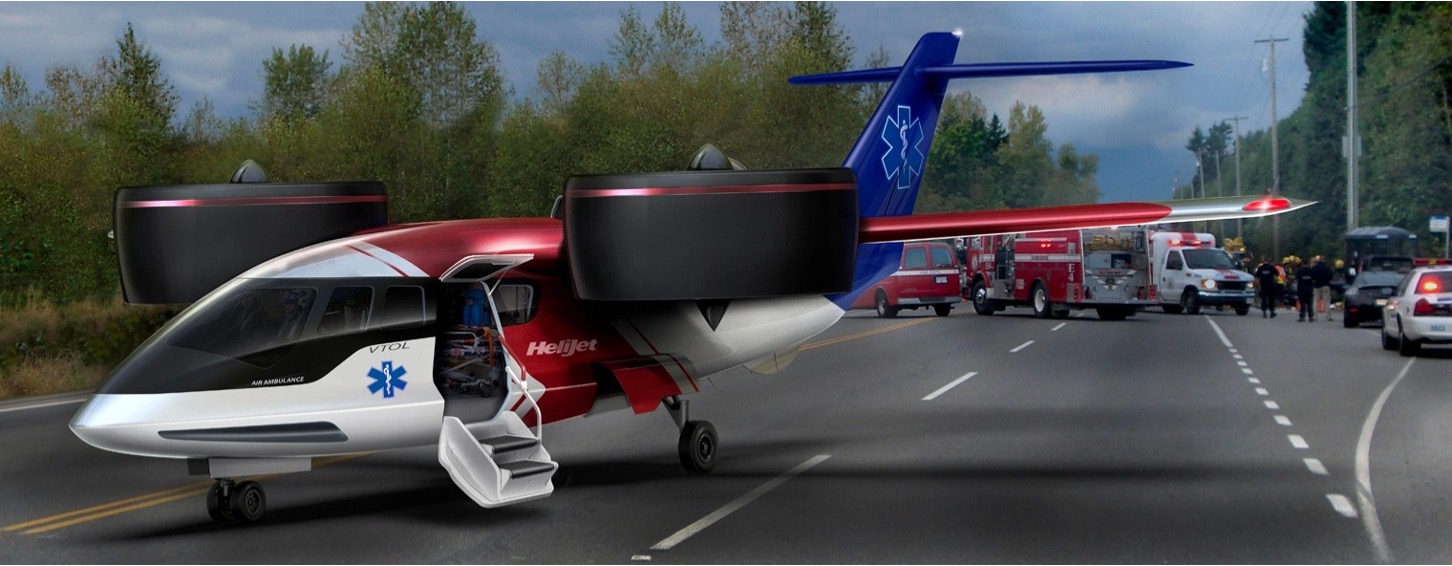
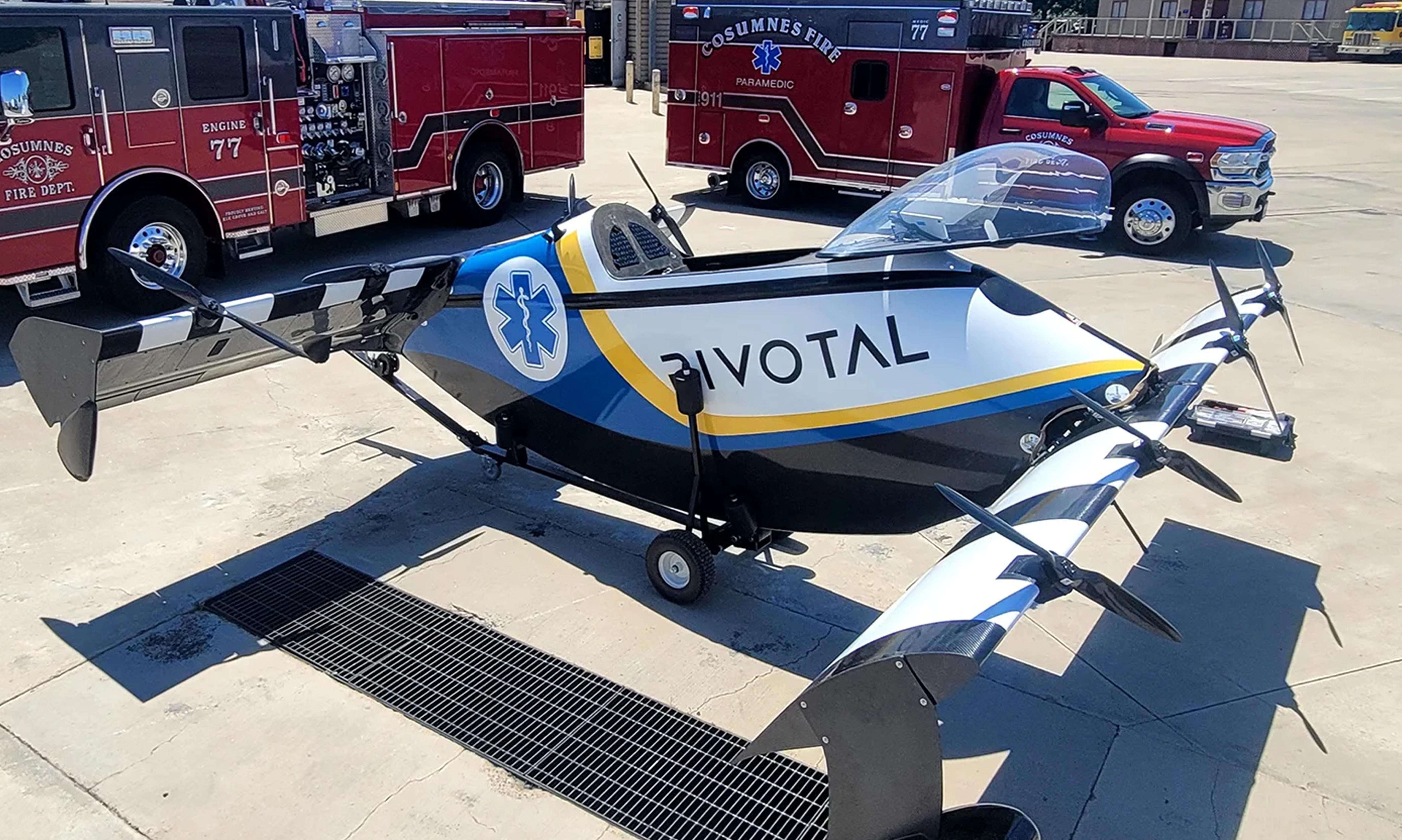
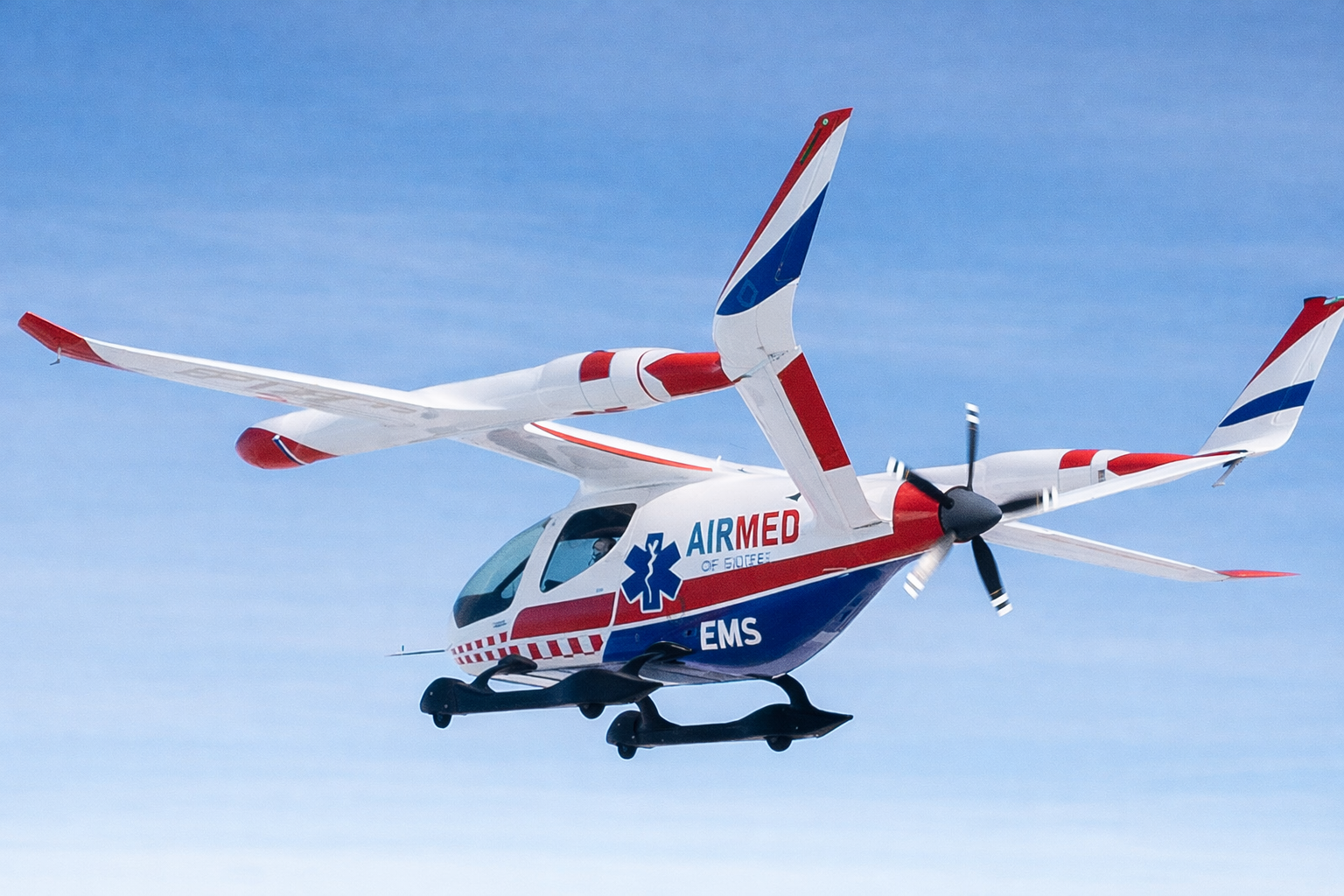
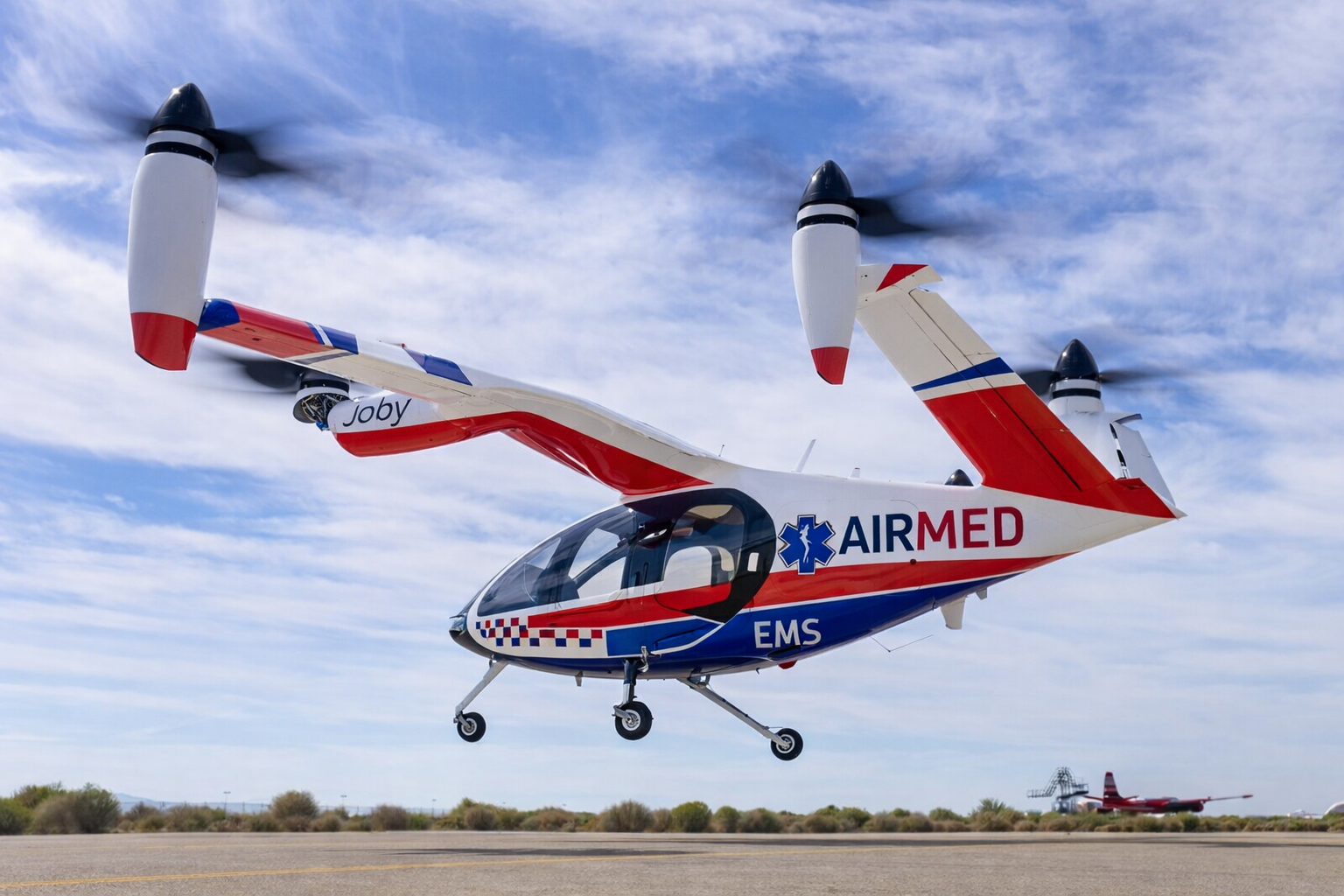
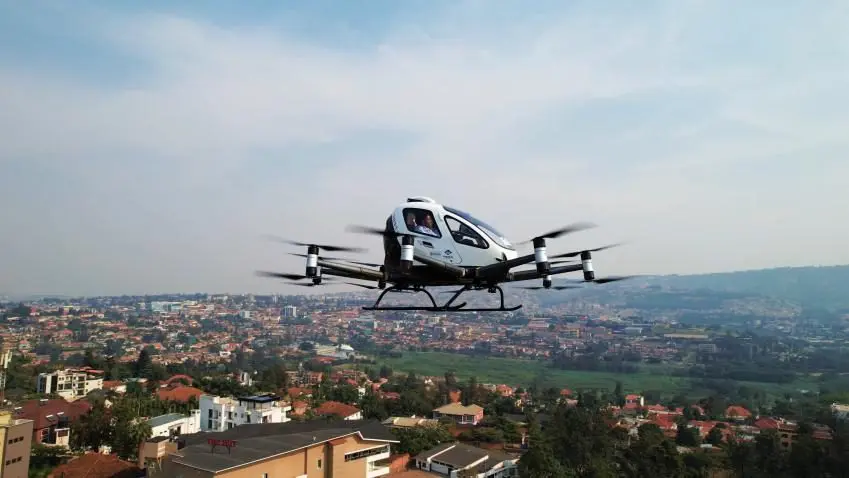
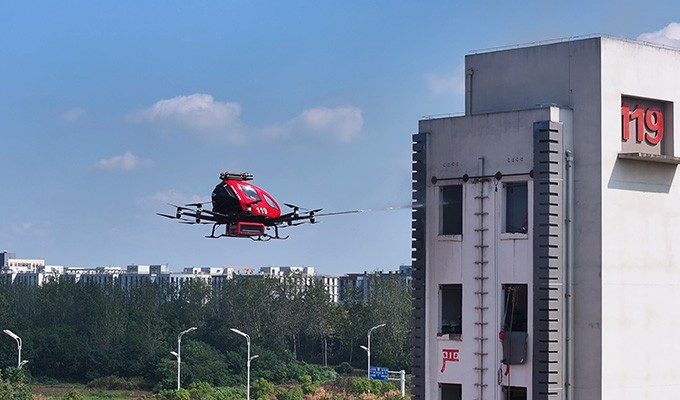
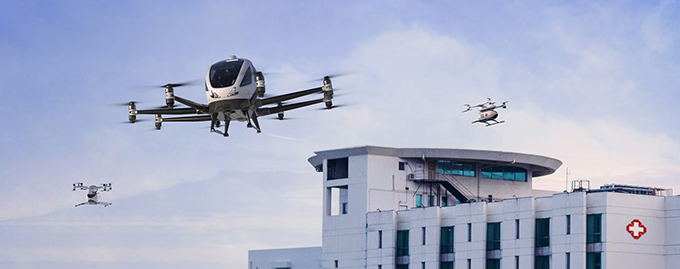
That unmet need nearly equals the entire current air transport market. These are patients who would benefit from air transport if the constraints of cost, aircraft availability, and geographic coverage were removed. eVTOL aircraft are designed to remove exactly those constraints.
The Post-ROSC Destination Gap
Among cardiac arrest patients who achieve return of spontaneous circulation (ROSC) in the field, only 4.8% of rural and 6.1% of wilderness patients are transported by air. The rest go by ground, almost certainly to the nearest ED, not a PCI-capable cardiac center.
The clinical consequence is stark: among ground-transported ROSC patients, only 2.5% reach a STEMI/PCI-capable center. For air-transported ROSC patients, that number is 15.1%, a six-fold difference. An eVTOL at a critical access hospital could deliver post-ROSC patients directly to a cath lab.
What the Market Sees
Independent market research firms are projecting massive growth across every segment of this space, validating the opportunity your NEMSIS data quantifies from the demand side.
The current air ambulance market serves 0.64% of EMS patients. Third-party analysts project it nearly tripling to $44B by 2033.
Now add the 300,115 patients/year your NEMSIS data identifies as the unserved rural gap, and the $1B+ India ePlane deal deploying 788 eVTOL air ambulances across every district.
The question isn’t whether eVTOL reshapes air medical. It’s whether U.S. EMS leads or follows.

Donnie Woodyard, Jr.
30+ years of EMS leadership, not observing the industry from the outside, but building, reforming, and leading it from the inside. Multiple times throughout his career, Donnie has identified where EMS was headed before the rest of the industry caught up, and then helped drive the change.
The data shown above represents a fraction of the full aeromedical market analysis. For eVTOL manufacturers, air medical operators, investors, and health systems seeking to understand the true total addressable market, Donnie provides advisory and consulting services grounded in original NEMSIS research and three decades of EMS systems leadership.