The Mandate

Integration is Not Optional

60 million+ EMS activations per year generate clinical data that rarely reaches the patient or the healthcare system. That gap must close.

The Mandate

Integration is Not Optional

When you visit your family doctor, get lab work, or have an X-ray, the results appear in your patient portal — often within seconds. Push notifications. Full transparency. Immediate access. This is the baseline expectation of modern healthcare.

EMS remains outside that ecosystem. Not because the data doesn't exist. Not because the technology isn't available. But because EMS has not been integrated into the healthcare information infrastructure that every other clinical discipline now takes for granted.

EMS clinicians must be able to retrieve medical histories, medication lists, allergies, and care plans from Health Information Exchanges in real time — before patient contact, not after. EMS documentation must be transmitted to receiving facilities before arrival. Real-time interoperability is not a future vision — it is a safety requirement.

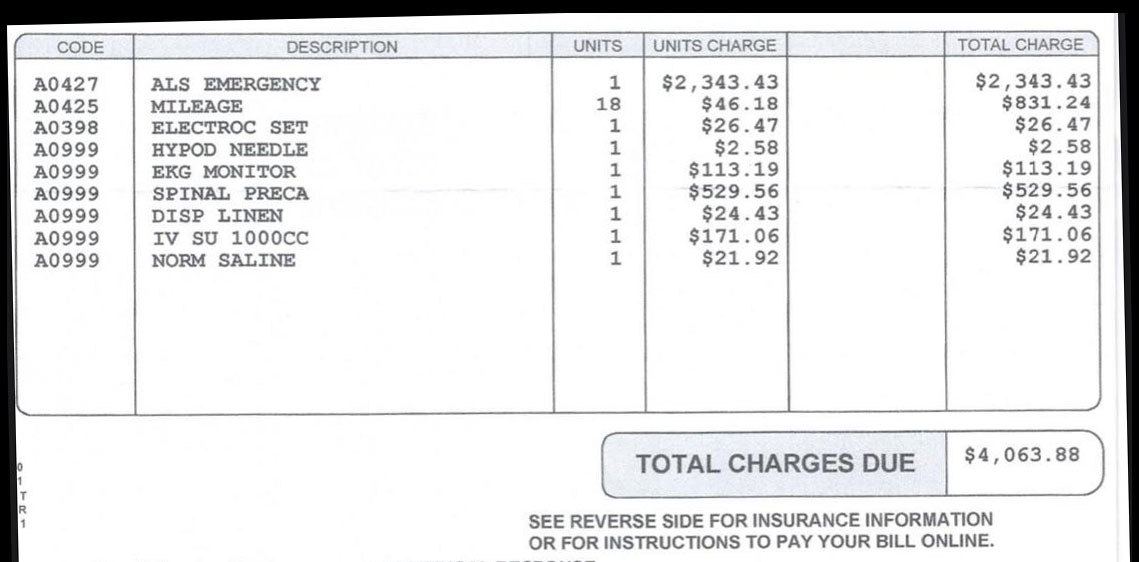
In every other corner of healthcare, patients have transparent, near-instant access to their chart, lab results, and imaging. After an EMS encounter, the only artifact most patients receive is the bill.
Donnie Woodyard, Jr.
The Future of Emergency Medical Services, 2nd Edition
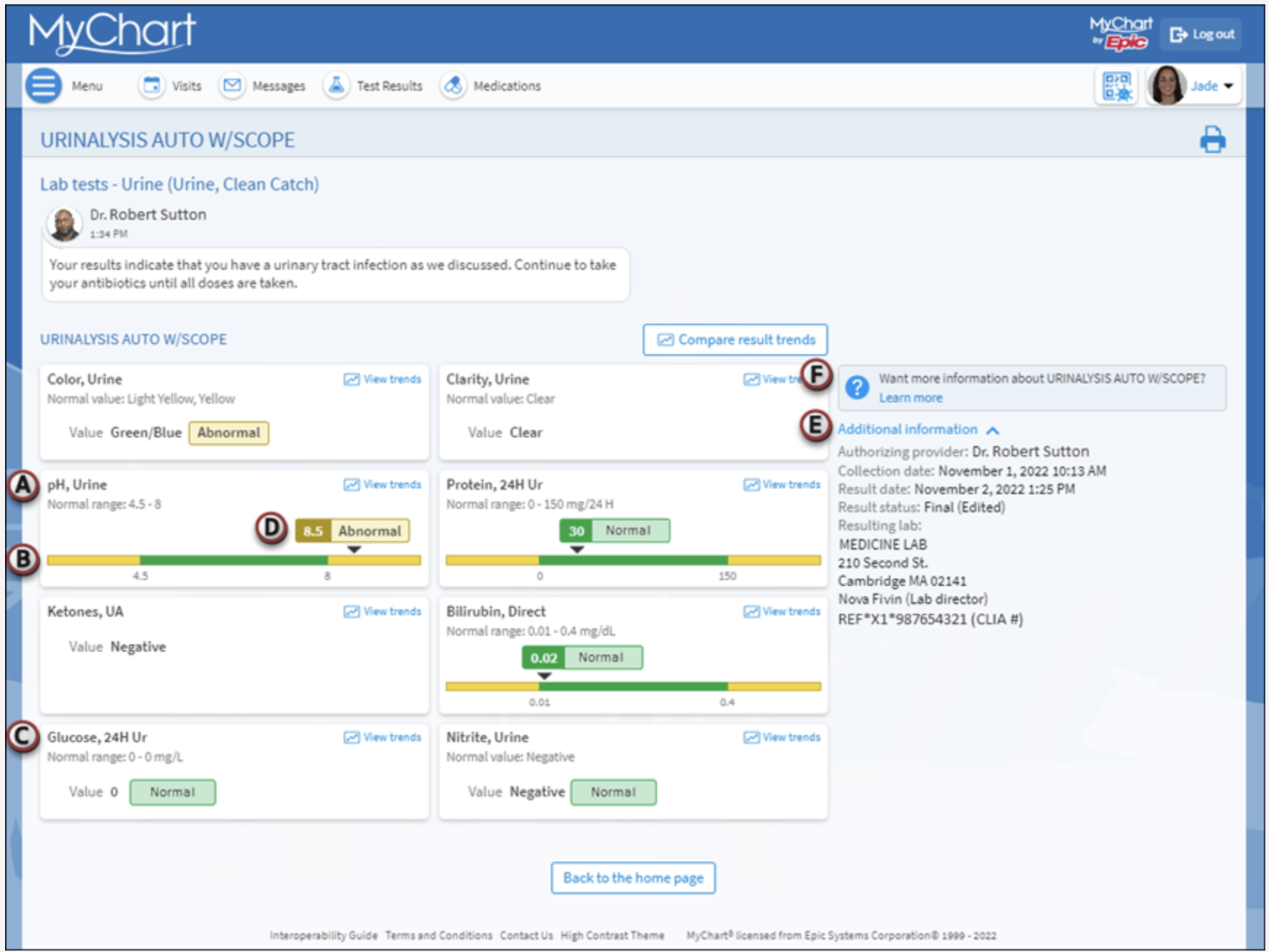
Epic MyChart patient portal screenshot showing lab results, medications, and clinical notes available instantly to patients — the standard in every healthcare discipline except EMS
Every other healthcare discipline
Ambulance bill showing itemized emergency transport charges — the only document most patients receive after an EMS encounter, with no clinical information or care summary
The EMS patient experience
60M+
EMS activations submitted to NEMSIS in 2024 alone — from 14,756 agencies across all 54 states and territories. The largest prehospital dataset in American healthcare. See the clinical maturation era →
0.7%
Of all EMS patients transported by air. The other 99.3% rely on a ground system stretched thin by distance, workforce shortages, and funding gaps.
$31.7B
Keytruda revenue in 2025 — one drug exceeding the entire $22 billion U.S. ambulance services market. While EMS struggles to survive, the rest of healthcare scales through capital and innovation.
If EMS doesn't lead autonomy,
autonomy will redefine EMS without us.
Donnie Woodyard, Jr. — Keynote Address
Continue Exploring

Next: Transport Revolution

Drones, eVTOL aircraft, and autonomous vehicles are reshaping how patients, supplies, and clinicians move.

Donnie Woodyard, Jr., MAML, NRP — Executive Director of the United States EMS Compact, six-time author, Harvard AI in Healthcare certificate holder, fixed-wing pilot, and nationally recognized EMS keynote speaker with over 30 years of prehospital care leadership

Donnie Woodyard, Jr.

Paramedic, pilot, and Executive Director of the United States EMS Compact. Author of The Future of Emergency Medical Services: AI, Technology & Innovation and five additional titles on EMS history, leadership, and policy.

Paramedic Fixed-Wing Pilot FAA Part 107 Commercial Drone Pilot Exec. Dir. — US EMS Compact Former State EMS Director Six-Time Author 30+ National Keynotes